Students from the German Embassy School experience the realities of life in Delhi’s slums, while a joint initiative promotes solidarity, education, and women’s empowerment.
New Delhi, 24 October 2026 – What does it mean to live in poverty? How can we support people who struggle every day to meet their basic needs? And how can we move beyond providing immediate assistance to creating opportunities for a better future?
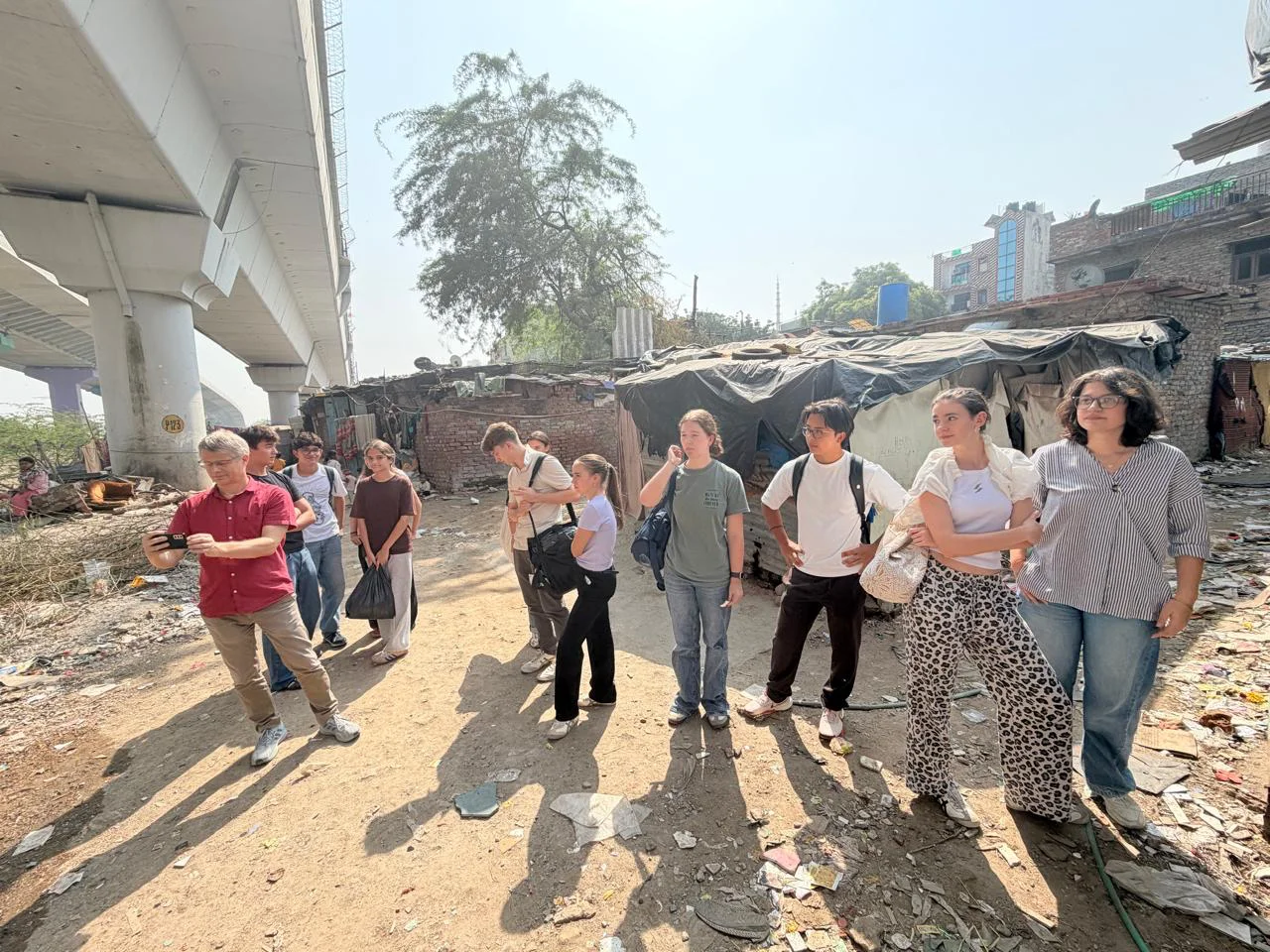
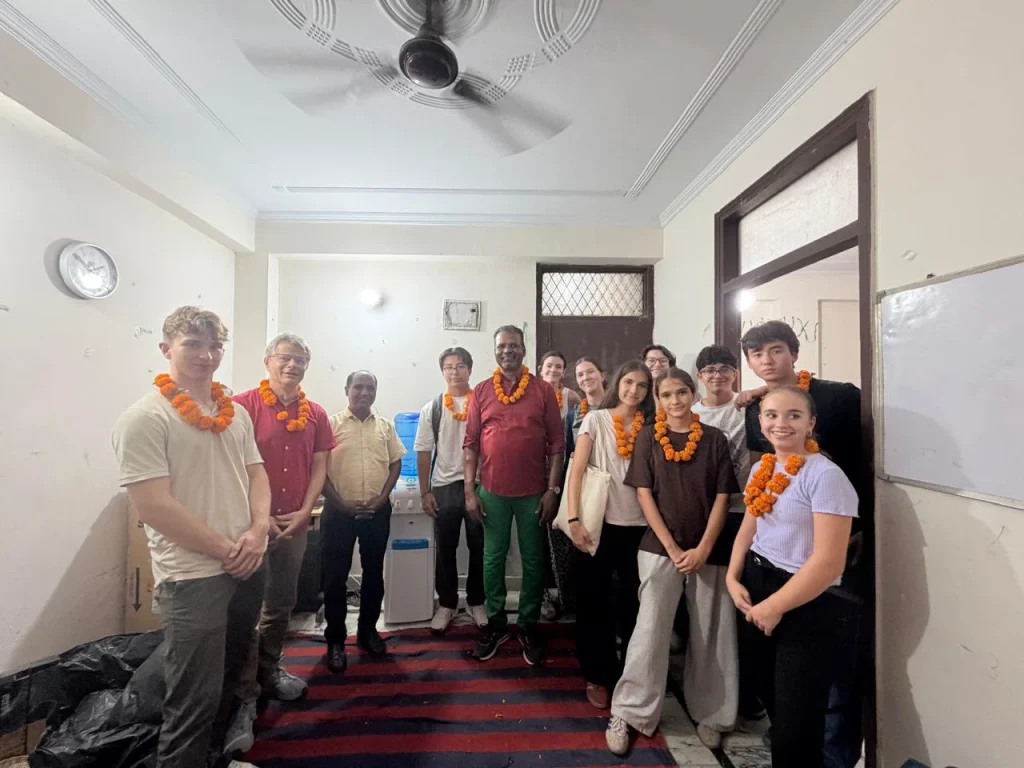
These questions came to life when students from the German Embassy School in New Delhi visited a slum community on Saturday, 24 October 2026. The visit offered the students a moving insight into the daily realities of families living in difficult circumstances and reminded everyone involved of the importance of compassion, solidarity, and social responsibility.
Sharing What We Have, Building Human Connections
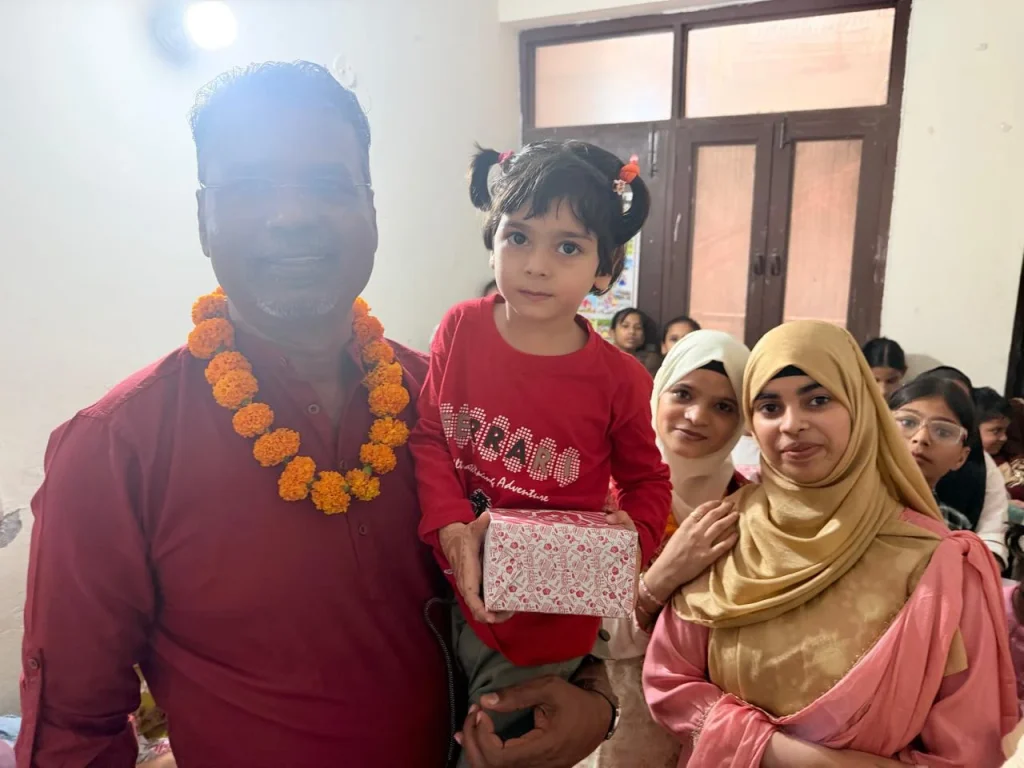
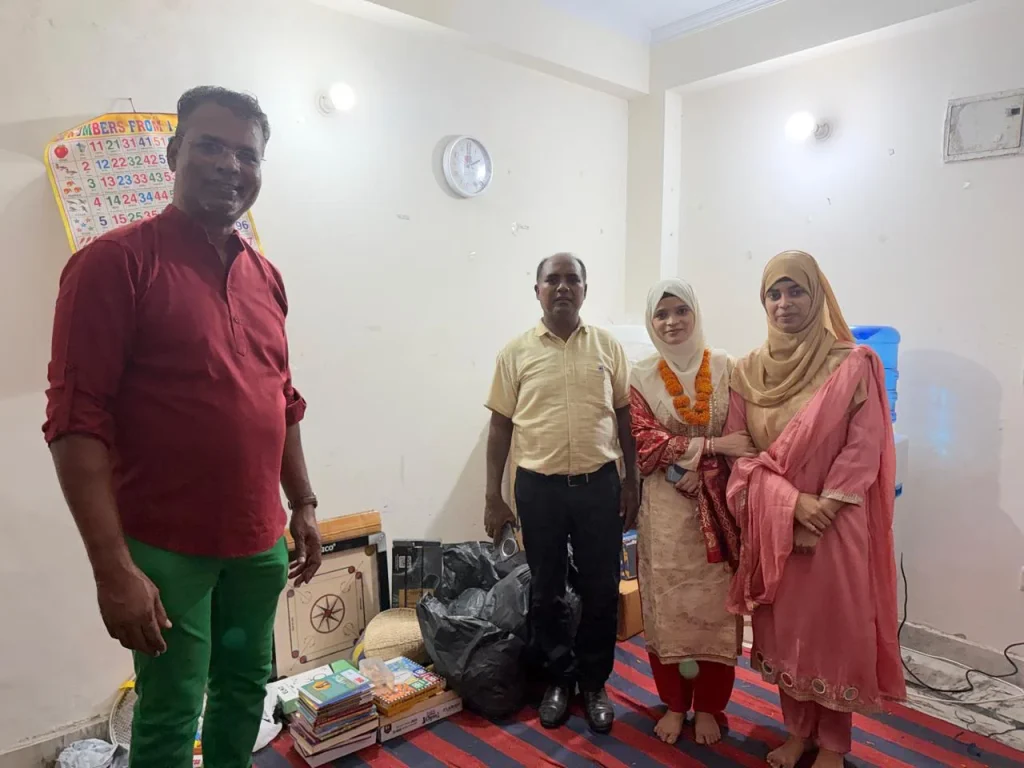
The students brought clothes for the families living in the community. The Emmaus Catholic Community in India contributed books and toys for the children. These donations were intended not only to meet practical needs but also to bring joy and encouragement to families facing challenging living conditions.
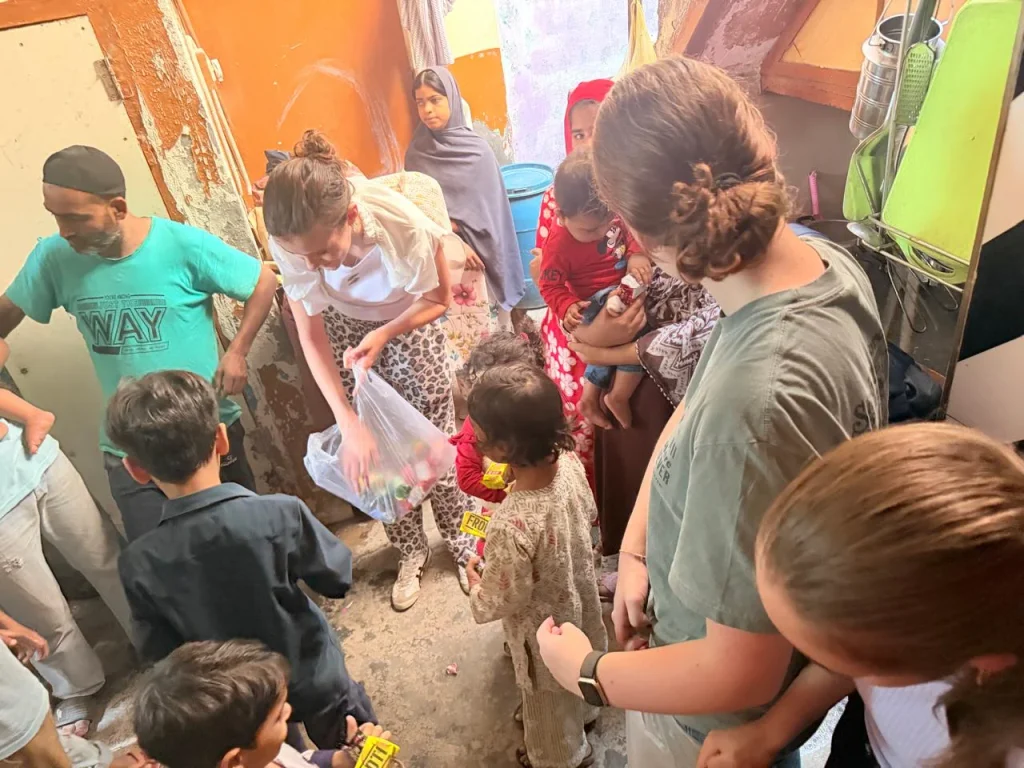
However, the visit was about much more than distributing donations. Its deeper purpose was to meet people, listen to them, interact with their children, and develop a better understanding of their everyday lives.
The students were deeply affected by what they encountered. The unpleasant smells, the small and overcrowded huts, and the extremely poor sanitation conditions revealed the harsh realities faced by many people in Delhi.
Yet, alongside these difficult impressions, the students experienced something equally powerful: the warmth and friendliness of the people they met. Despite their hardships, the residents welcomed the visitors with openness and kindness.
The students spoke with the children, played with them, and shared moments of joy. These simple encounters helped bridge the distance between two very different worlds.
For the students, poverty was no longer merely an image in a textbook or a statistic in a report. It had become a human experience involving real people, families, dreams, and hopes for the future.
“We Live in a Bubble”
Martin van Neerven, Principal of the German Embassy School, emphasised the importance of such experiences in the education and personal development of young people.
He observed that we often live in our own “bubble”, largely separated from the realities experienced by people living in poverty. Visits such as this one help students look beyond their familiar surroundings and understand the social challenges faced by others.
Such encounters, he explained, are essential because they open both the eyes and the hearts of young people. They can inspire students to reflect on their own lives and encourage them to take practical steps to help those in need.
Education is not limited to classrooms, books, and examinations. It also involves learning to understand others, recognising human dignity, and accepting responsibility for the world we share.
Empowering Widows and Poor Women Through Sewing
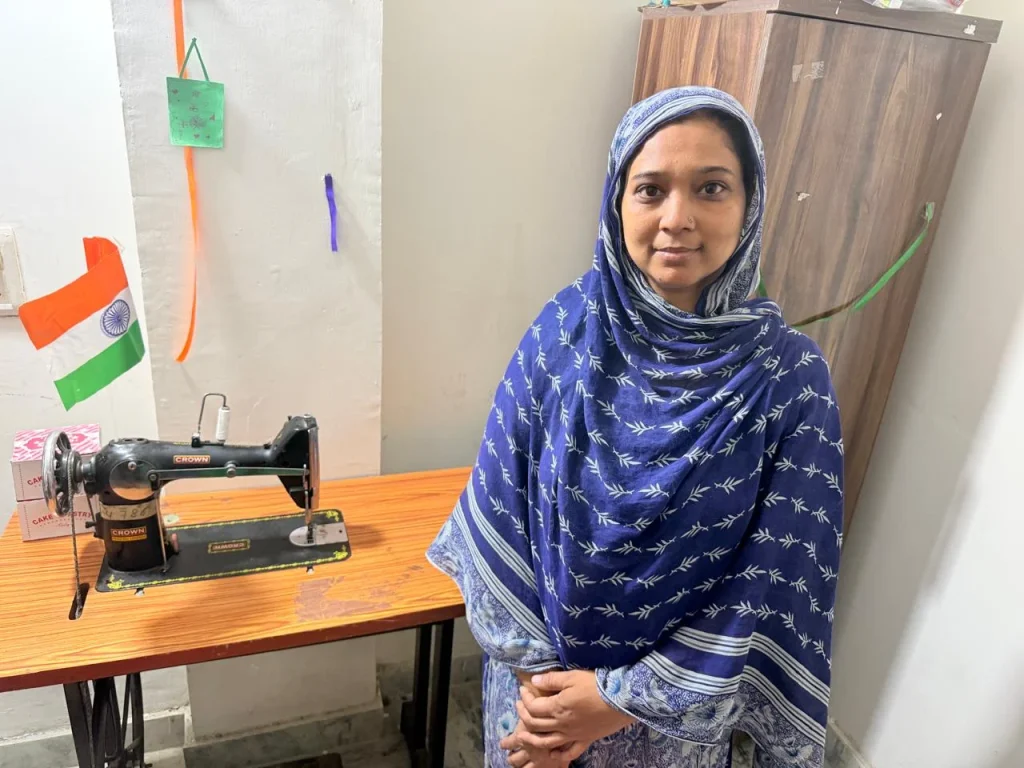
A key aspect of the initiative is the commitment of Arul Arakkattalai to empowering widows and economically disadvantaged women.
Arul Arakkattalai has agreed to cover the cost of a seamstress who will support the women in developing sewing skills and creating opportunities for self-employment and income generation.
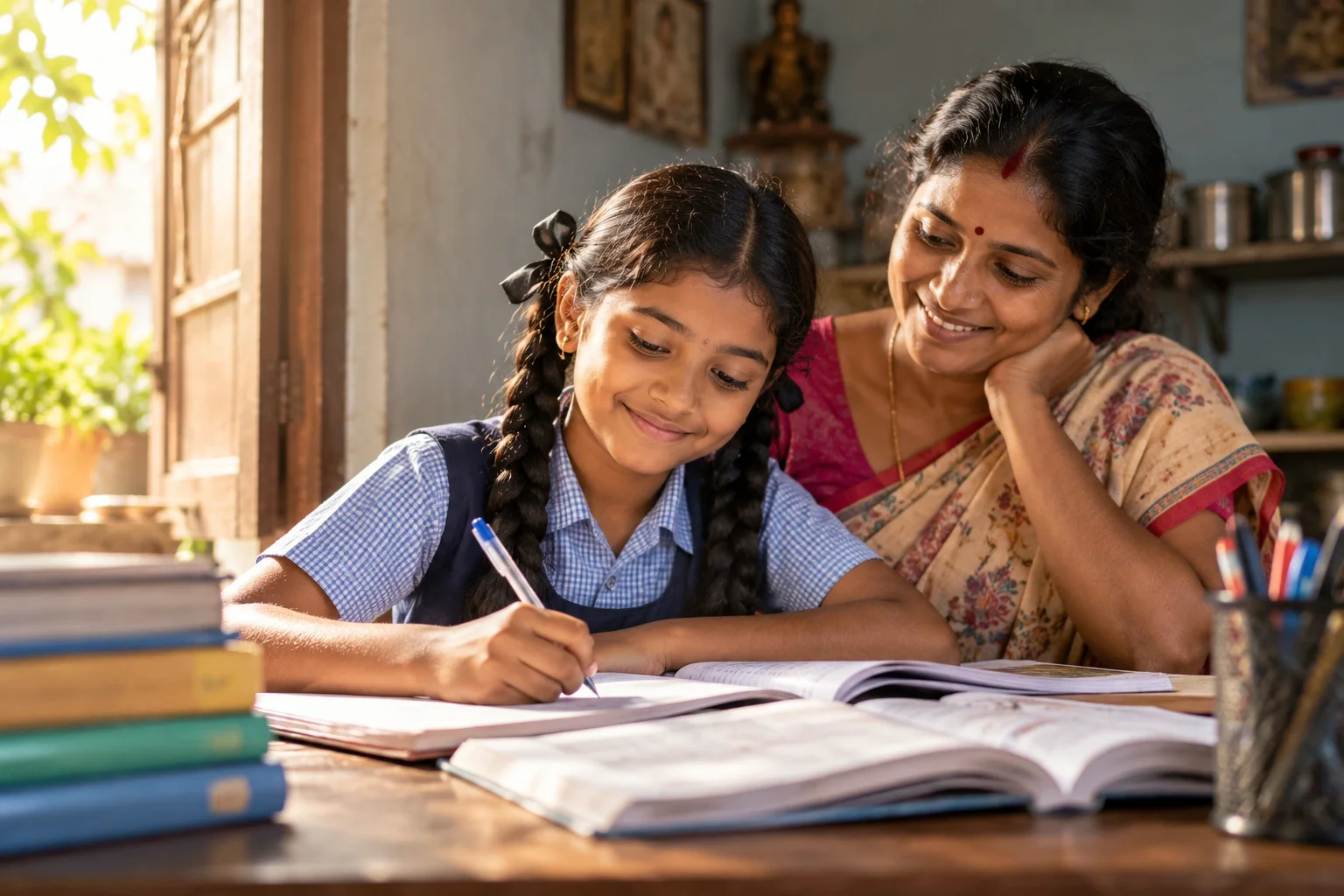
For widows and women living in poverty, access to practical skills and opportunities to earn an income can make a significant difference. It can strengthen their independence, improve their families’ living conditions, and help them build a more secure future.
The initiative reflects a central principle of sustainable development: people should not simply receive assistance; they should also have the opportunity to develop their abilities, use their talents, and shape their own futures.
Our goal is not merely to provide help, but to create opportunities for people to live with dignity, independence, and hope.
Building a Lasting Partnership Through Education
The visit is intended to be the beginning of a continuing relationship rather than a one-time activity.
Plans are being considered for further visits and a partnership between the German Embassy School and a school in the slum community. Students from both schools could meet regularly to play, learn, and participate in shared activities.
Such a partnership would create opportunities for friendship, mutual understanding, and learning across social and economic boundaries.
The children from the slum community would benefit from new educational and social opportunities, while the German students would gain a deeper understanding of inequality, solidarity, and their responsibility towards society.
The aim is not to establish a relationship between those who give and those who receive, but to create a partnership in which everyone is valued and everyone has something to contribute.
Through shared experiences, children can discover that friendship and human dignity are not determined by wealth, social status, or living conditions.
From Compassion to Sustainable Change
The visit to the slum community in Delhi demonstrated that meaningful assistance takes many forms.
Clothing, books, and toys can provide immediate support and happiness. Skills training can create opportunities for economic independence. Personal encounters can challenge prejudices, strengthen empathy, and inspire a lasting commitment to social responsibility.
For Arul Arakkattalai, these activities express a fundamental conviction: sustainable development begins when we recognise the dignity of every person and work together to create opportunities for a better future.
By combining immediate assistance with long-term initiatives, Arul Arakkattalai seeks to support vulnerable communities in ways that strengthen individual abilities, encourage independence, and promote social inclusion.
The collaboration with the German Embassy School and the Emmaus Catholic Community demonstrates how education, community engagement, and practical solidarity can come together to make a difference.
A more compassionate and just society becomes possible when we move beyond the boundaries of our own comfortable lives, encounter others with open hearts, and translate concern into action.
At Arul Arakkattalai, we believe that real change begins when we do not simply see poverty, but recognise the people behind it; when we do not merely offer help, but create opportunities; and when we do not act only for others, but work together with them to build a more hopeful future.
Because every person deserves dignity, every child deserves opportunities, and every woman deserves the chance to build an independent life.